 how-to
Hiring House Cleaners: Safety Tips & What to Know
Table of Contents
- Why Safety Matters When Hiring House Cleaners
- Screen and Verify a House Cleaner Before Hiring
- Questions to Ask a House Cleaner During the Hiring Process
- Check Insurance, Bonding, and Liability Protection
- How to Prepare for a House Cleaner's First Visit
- Protecting Your Home and Valuables During Cleaning
- Safe Practices When a Cleaner Works Around Pets
- Establishing Clear Communication and Written Agreements
- Recognizing Red Flags and When to Decline a Cleaner
- Frequently Asked Questions
Last Updated: October 7, 2026
Why Safety Matters When Hiring House Cleaners
Hiring house cleaners safety is a practical decision. You're inviting someone into your home to handle cleaning tasks while you focus on other priorities. But it also requires careful consideration. A house cleaner will have access to your valuables, your family's personal space, and potentially your children or pets. Getting this decision right protects everyone involved.
Safety isn't an obstacle to hiring a professional cleaner, it's the foundation for a successful, stress-free relationship.
This guide walks you through the key steps for hiring house cleaners safety. We'll cover screening practices, questions to ask, insurance verification, home preparation, and red flags to watch for. By the end, you'll know exactly how to evaluate a house cleaner and protect your home.
Screen and Verify a House Cleaner Before Hiring
Before a house cleaner steps foot in your home, do your homework. A thorough screening process takes time upfront but saves headaches later.
Start by asking for references. A professional cleaner should provide at least two to three names of current or past clients who can speak to their reliability and quality of work. Call those references. Ask specific questions: Did the cleaner show up on time? Did they respect your home? Were valuables safe? Would you hire them again?
Check background information. Many homeowners ask for a background check before hiring. A legitimate house cleaner should be comfortable providing this. You're not being unreasonable, you're protecting your home and family. Ask whether the cleaner has been bonded and insured. We'll cover this more in the next section, but it's a critical safety measure.
Look for online reviews. Check Google, Yelp, or other platforms where past clients leave feedback. Read both positive and negative reviews carefully. A few complaints are normal for any service, but patterns matter. If multiple reviews mention no-shows, poor quality, or trust issues, move on.
Meet in person before hiring. A quick phone call isn't enough. Meet the cleaner at your home or another location. This gives you a sense of their professionalism, punctuality, and how they communicate. Pay attention to your gut feeling. If something feels off, trust that instinct.
Questions to Ask a House Cleaner During the Hiring Process
The right questions reveal whether a cleaner is professional and reliable. Here are the key ones to ask:
Experience and training:
- How long have you been cleaning homes?
- What types of cleaning jobs do you specialize in (deep cleaning, recurring weekly service, post-construction)?
- Have you worked with homes similar to mine?
Reliability and scheduling:
- What's your cancellation policy if I need to reschedule?
- How do you handle no-shows or emergencies on your end?
- Can you commit to a regular schedule, or are you only available for one-time cleanings?
Cleaning practices:
- What cleaning products do you use? (This matters if anyone in your home has allergies or sensitivities.)
- How do you handle delicate items or valuable belongings?
- Do you have experience cleaning around pets?
Communication:
- How do we communicate if I'm not home during the cleaning?
- What's the best way to reach you with questions or concerns?
- Will you provide a summary of what was cleaned?
Employment and legal status:
- Are you an independent contractor or part of a cleaning company?
- Do you carry liability insurance?
- Are you bonded?
Listen carefully to their answers. Professional cleaners will respond directly and confidently. Vague answers or reluctance to answer should raise a flag.
Check Insurance, Bonding, and Liability Protection
This is the step most homeowners skip, and it's the one that determines who pays when something goes wrong. Insurance, bonding, and liability are three different protections. Treating them as one word, "insured", leaves you exposed.
Liability insurance: who pays when someone gets hurt or something breaks
General liability insurance covers third-party bodily injury and property damage (Commercial general liability insurance). If a cleaner slips on your wet bathroom floor and breaks a wrist, or knocks a television off a stand, general liability is the policy that responds. Without it, the claim can land on your homeowners policy, or on you directly.
Workers' compensation is a separate policy. If the cleaner is an employee of a cleaning company, the company should carry workers' comp. If the cleaner is an independent contractor, they generally are not covered by your homeowners policy for on-the-job injuries, and many states do not require sole proprietors to carry workers' comp. That gap is why you verify coverage before the first visit, not after an accident.
Bonding: what it actually covers
A surety bond is not insurance for the cleaner. It's a financial guarantee that pays the client if the bonded worker commits theft or dishonesty. The bond limit is usually modest, commonly a few thousand dollars, and it does not cover accidental damage. That's what liability insurance is for. A cleaner can be bonded and uninsured, or insured and unbonded. You want both, and you want to know the limits.
How to verify coverage before the first cleaning
Ask for a Certificate of Insurance (COI). This is a one-page document your cleaner's insurer issues directly. It should show:
- The insured's legal business name (match it to the name on the contract)
- Policy type (general liability, workers' comp, or both)
- Policy effective and expiration dates, confirm the policy is active on your cleaning date
- Coverage limits per occurrence and aggregate
- The insurer's name and a contact or verification phone number
Call the number on the COI, not a number the cleaner gives you, and confirm the policy is in force. Certificates can be forged or expired. A two-minute call closes that gap.
If the cleaner works for a company, ask whether you'll be added as an additional insured for the duration of service. Many commercial policies allow this at no cost, and it means the insurer notifies you if the policy lapses.
Who is liable for what
A common pattern in homeowner-cleaner disputes:
- Injury to the cleaner on your property. If the cleaner is uninsured and injured, your homeowners liability coverage may respond, but claims can raise your premium or be denied if the cleaner was an independent contractor. Verify coverage first.
- Damage to your property. Liability insurance pays for accidental damage up to the policy limit. Document pre-existing damage with dated photos before the first visit.
- Theft or dishonesty. The surety bond pays up to the bond limit. Your homeowners policy may also cover theft, but filing a claim affects your loss history.
- Lost or broken items. Most policies exclude items the cleaner was hired to handle unless negligence is proven. A written scope that lists high-value items and how they should be handled reduces disputes.
What to put in writing
Add a short insurance clause to your written agreement:
- Insurer name, policy number, and coverage limits
- Requirement to notify you within 24 hours if coverage lapses
- A statement that the cleaner will not perform work while uninsured
- A damage-reporting procedure with a deadline (for example, report within 24 hours of the visit)
This protects both sides. A professional cleaner will sign it without hesitation.
How to Prepare for a House Cleaner's First Visit
Preparation before the cleaner arrives sets the tone for a successful relationship. It shows respect for their time and protects your home.
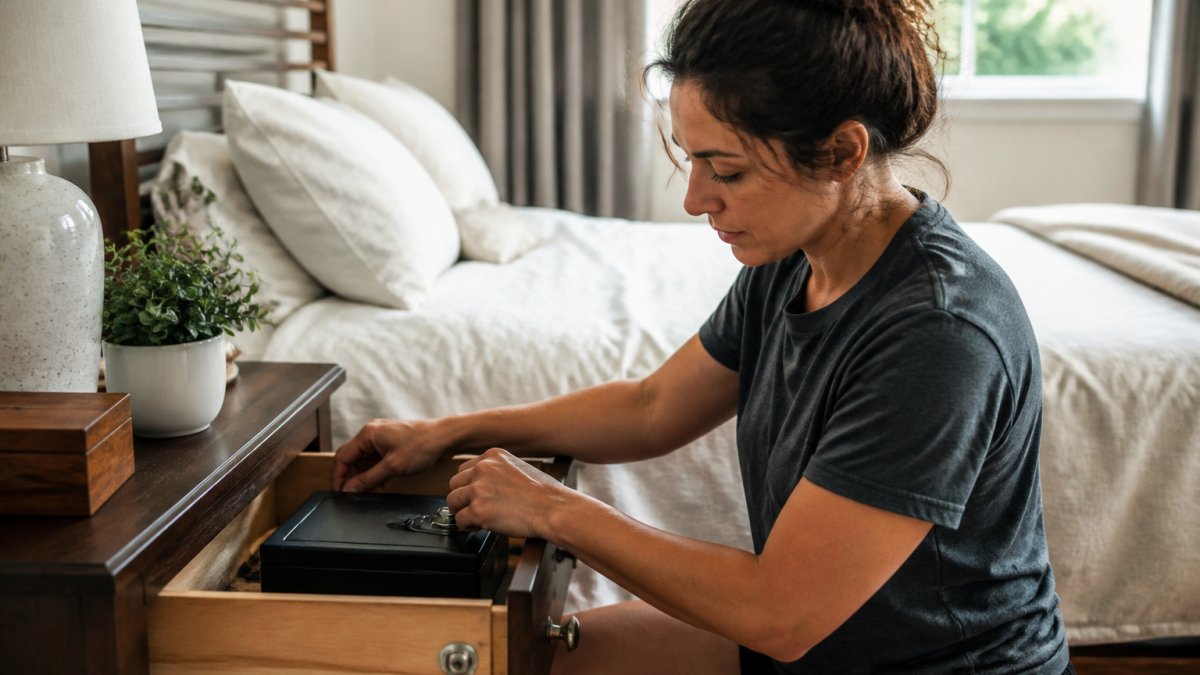
Secure Valuables and Personal Documents
Before a cleaner arrives, put away anything you want to keep private or protected. This includes:
- Cash, credit cards, and checkbooks
- Jewelry and watches
- Important documents (bank statements, tax returns, medical records)
- Medications and supplements
- Laptop, tablet, or phone chargers
- Sentimental items or heirlooms
Store these items in a locked drawer, closet, or safe. Don't leave them on counters or nightstands. This protects your valuables and removes temptation. It also shows the cleaner that you're organized and have clear boundaries about what's off-limits.
Set Clear Expectations About Home Access
Before the cleaner arrives, discuss access and boundaries:
- Which rooms should they clean?
- Are any areas off-limits?
- How should they handle locked doors or closets?
- Should they move items on shelves and desks, or leave them as-is?
- Where should they put trash or recycling?
Provide the cleaner with a written list of tasks. Be specific. "Clean the bathroom" is vague. "Scrub the toilet, sink, and shower; mop the floor; and clean mirrors" is clear. Clear expectations prevent misunderstandings and ensure the cleaner focuses on what matters most to you.
If you won't be home during the cleaning, discuss how to secure entry and exit. Will you leave a key? Use a keypad code? Meet them at the door? Agree on a communication method so they can reach you if questions come up.
Protecting Your Home and Valuables During Cleaning
While the cleaner is working, take reasonable precautions. You don't need to hover or micromanage, but awareness protects everyone.
If you're home, stay accessible. Let the cleaner work without interruption, but be available if they have questions about your home's layout or cleaning preferences. If you're not home, make sure someone you trust is, especially on the first visit.
Keep pets secured in a separate room or area. This protects both your pet and the cleaner. A curious dog or cat can get in the way, and a stressed animal might behave unpredictably.
After the cleaning is done, do a quick walkthrough. Check that tasks were completed to your satisfaction. Look at areas where valuables are stored to confirm nothing is missing. This isn't about distrust, it's about accountability and ensuring the job met your expectations.
Safe Practices When a Cleaner Works Around Pets
Pets are a two-way safety issue. The cleaner can be bitten, scratched, tripped, or exposed to allergens. Your pet can escape, be injured by cleaning chemicals, or be traumatized by unfamiliar equipment. Both risks are manageable, but only if you plan for them before the first visit.
Screen for pet experience, not just pet tolerance
"I like animals" is not the same as "I know how to work around them." Ask specific questions:
- Have you cleaned homes with dogs over 50 pounds? Cats that hide? Birds or reptiles?
- What do you do if a pet is in the room you need to clean?
- Have you ever been bitten on the job? How did you handle it?
- Are you comfortable if a pet is crated but barking the entire visit?
A cleaner with real pet experience will answer with procedures, not reassurances. They'll tell you how they enter, how they close doors behind them, and how they signal you if a pet gets loose.
Disclose behavior and health history in writing
Before the first visit, give the cleaner a short written pet brief:
- Species, breed, weight, and name of each pet
- Bite history, even a single nip, this matters for liability
- Anxiety triggers (vacuum, mop, strangers, doorbell)
- Medications, allergies, or conditions that affect handling
- Whether the pet is allowed in the rooms being cleaned
This is not overkill. If a cleaner is bitten by a pet you didn't disclose as aggressive, your homeowners liability coverage may be the one that responds, and some policies exclude dog bites by breed. Disclosure protects you.
Containment that actually works
"Put the pet in another room" fails when the cleaner needs to clean that room. Plan containment room by room:
- Identify one room the cleaner will not enter (a bedroom, a home office) and set it up as the pet's base for the visit.
- Provide food, water, a litter box or pee pad, a bed, and a familiar toy.
- Put a sign on the door: pet inside, do not open.
- If the pet is crated, place the crate where the pet can see activity but not be underfoot.
- For cats, close interior doors before the cleaner arrives, cats move faster than people expect.
For dogs with anxiety, a frozen stuffed toy or a puzzle feeder can occupy them for the length of a standard cleaning.
Chemical and equipment safety around pets
Many common cleaning chemicals are toxic to pets even after they dry. Bleach, ammonia, phenols, and concentrated essential oils (especially tea tree, eucalyptus, and citrus) are the usual culprits. If your cleaner uses their own products, ask for the Safety Data Sheet (SDS) for anything applied to floors, crates, or surfaces your pet contacts.
Practical rules:
- Keep pets off freshly cleaned floors until dry, usually 15 to 30 minutes for most products.
- Remove food and water bowls from rooms being cleaned.
- Cover or move bird cages; birds are especially sensitive to aerosolized cleaners.
- Ask the cleaner to avoid aerosol air fresheners if you have a pet with respiratory issues.
If a pet bites or escapes
Have a plan before it happens:
- Bite. The cleaner should stop work, wash the wound, and seek medical attention. Document the incident in writing the same day, including photos and the pet's vaccination records. Notify your homeowners insurer promptly, most policies require prompt notice.
- Escape. Give the cleaner your cell number and a backup contact before the visit. If a pet gets out, the cleaner should not chase, that escalates the situation. They should call you immediately and stay with the pet if it's safe to do so.
- Injury to the pet. If a pet is hurt by equipment or chemicals, get veterinary care and document everything. Most liability policies cover veterinary costs under property damage.
When to decline the job
A cleaner should decline, and you should not pressure them, if:
- A dog has a bite history and cannot be safely contained
- A pet has a contagious condition that could spread between homes
- The home has free-roaming pets the cleaner cannot avoid
- The cleaner has a documented allergy or fear that makes the visit unsafe
Declining is not a judgment on your pet. It's the same risk assessment a professional makes on every job. Respect it, and you'll keep the relationship intact for the visits that do happen.
Establishing Clear Communication and Written Agreements
Clear communication prevents misunderstandings. Before the first cleaning, agree on the details in writing.
A simple agreement should include:
- Scope of work (which rooms, which tasks)
- Frequency (weekly, bi-weekly, monthly)
- Time commitment (how long the cleaning usually takes)
- Payment amount and method
- Cancellation and rescheduling policy
- What happens if you're not satisfied with the work
Put this in a text message, email, or brief written contract. Both you and the cleaner should have a copy. This creates a clear record and shows professionalism.
Agree on how you'll communicate ongoing. Will you text? Email? Call? What's the best time to reach them? How will they report back to you after each cleaning?
If issues come up, address them quickly and directly. If the cleaner missed something or did something you didn't like, mention it promptly. Most professionals want feedback so they can improve. If a pattern of problems develops, it's okay to end the relationship and find someone else.
Recognizing Red Flags and When to Decline a Cleaner
Some warning signs suggest a cleaner isn't a good fit or isn't trustworthy. Pay attention to these red flags.
During the hiring process:
- Reluctance to provide references
- Vague answers about experience or credentials
- No insurance or bonding
- Unwillingness to sign a written agreement
- Pressure to pay upfront before any work is done
During or after cleaning:
- Frequent no-shows or cancellations
- Arriving late without explanation
- Sloppy or incomplete work
- Asking for cash payments only
- Treating your home disrespectfully
- Complaints from neighbors or family about their behavior
- Items missing or moved without explanation
Trust your instincts. If something feels off, it probably is. You don't owe anyone an explanation for declining to hire them or for ending a working relationship. Your home is your personal space, and you have the right to feel safe and comfortable with whoever enters it.
If you discover a serious issue, like theft or damage, document it and contact local authorities if needed. Report the incident to any platform where you found the cleaner (like Yelp or Google). This protects other homeowners.
Hiring a house cleaner doesn't have to be stressful. By screening carefully, asking the right questions, verifying insurance and bonding, and setting clear expectations, you create a foundation for a safe and professional relationship. We're fully licensed and insured, and we bring over 15 years of experience to every job. When you're ready to find a cleaner you can trust, get a quote from us and see why homeowners in our service areas choose our team for their cleaning needs.
Frequently Asked Questions
What questions should I ask before hiring a house cleaner?
Ask about their experience with homes similar to yours, whether they carry insurance and bonding, their cleaning methods and products, pricing structure, cancellation policy, and references from previous clients. Also inquire about their approach to handling pets, valuables, and locked areas. Request details on their background check process and employment status (independent contractor or company employee). Clear answers to these questions help you assess reliability and professionalism before making a commitment.
Should I hire an insured house cleaning service?
Yes. Insurance and bonding protect you financially if damage occurs to your home or belongings during cleaning. A professional cleaner should carry general liability insurance and be bonded. Request proof of current coverage before hiring. This protects both you and the cleaner and demonstrates their commitment to operating as a legitimate, accountable business. Uninsured cleaners leave you exposed to costly repairs or losses.
How can I check whether a house cleaner is trustworthy?
Request references from previous clients and contact them directly. Verify the cleaner's background through a background check if hiring independently. Ask about their experience, how long they've been in business, and whether they're licensed. Meet them in person before the first visit to assess professionalism and communication. Check online reviews if they operate through a company. Trust your instincts: reliable cleaners are punctual, communicate clearly, and provide transparent information about their qualifications and insurance.
What should I do to prepare my home before a cleaner arrives?
Secure valuables, cash, jewelry, and personal documents in a locked room or safe. Clear clutter from floors and surfaces so the cleaner can work efficiently. Inform them of any areas that are off-limits or require special care. Leave clear instructions about pets, children, or occupied rooms. Ensure they have access to water, electrical outlets, and any cleaning supplies they need. Provide your contact number and confirm the appointment time the day before. A well-prepared home makes the cleaning session more efficient and reduces misunderstandings.