 how-to
How to Prepare for Cleaners: A Homeowner's Guide
Table of Contents
- Why Preparing for Cleaners Matters
- Step 1: Decluttering Before a Cleaning Service Arrives
- Step 2: What to Do With Pets During House Cleaning
- Step 3: Secure Personal Belongings and Fragile Items
- Step 4: House Cleaning Etiquette: Communication and Expectations
- Step 5: How Long Does a Professional House Cleaning Take?
- Step 6: Final Walkthrough and Post-Cleaning Inspection
- Conclusion
- Frequently Asked Questions
Last Updated: September 16, 2026
Why Preparing for Cleaners Matters
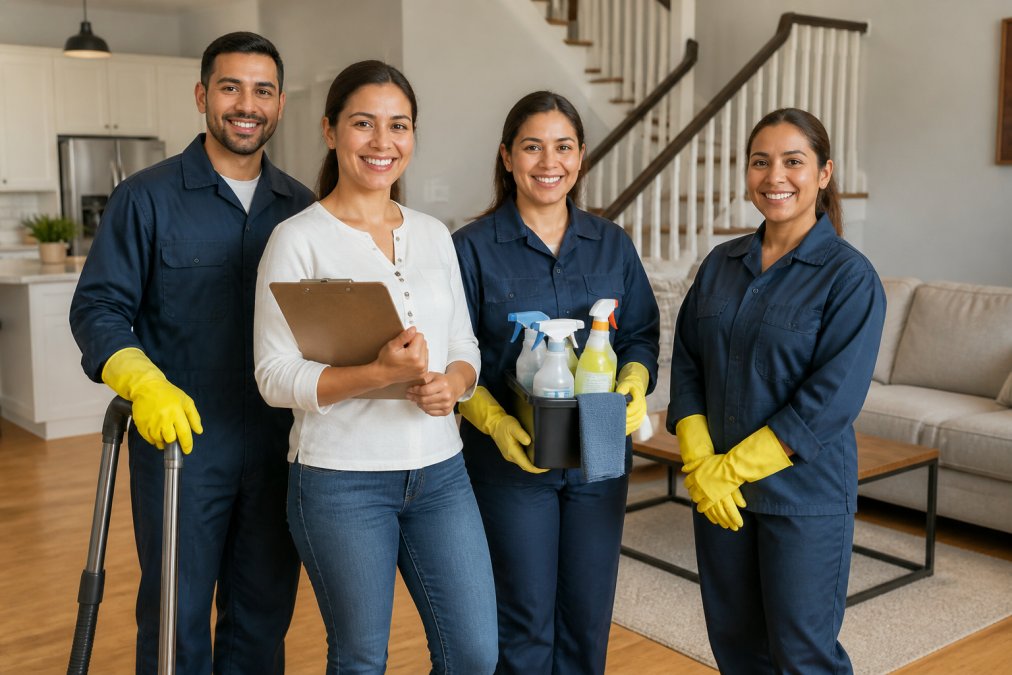
Learning how to prepare for cleaners is the difference between a surface tidy and a genuinely deep clean. When floors, countertops, and surfaces are clear, a professional cleaning service can spend its time on actual cleaning instead of moving your belongings from room to room. At Top Royal Cleaners, we've seen the same pattern for over 15 years: the homes that get the best results are the ones where the homeowner did a little prep work first.
That prep doesn't mean scrubbing anything yourself. It means removing obstacles, securing what matters, and communicating clearly so the visit runs on schedule. A cluttered room slows down dusting, vacuuming, and disinfecting, and it forces cleaners to guess where things belong. Ten minutes of decluttering before a scheduled cleaning often buys you a noticeably more thorough clean.
Below, we'll walk through six steps that cover everything from decluttering to a final walkthrough, plus the etiquette and timing questions homeowners ask us most.
Step 1: Decluttering Before a Cleaning Service Arrives
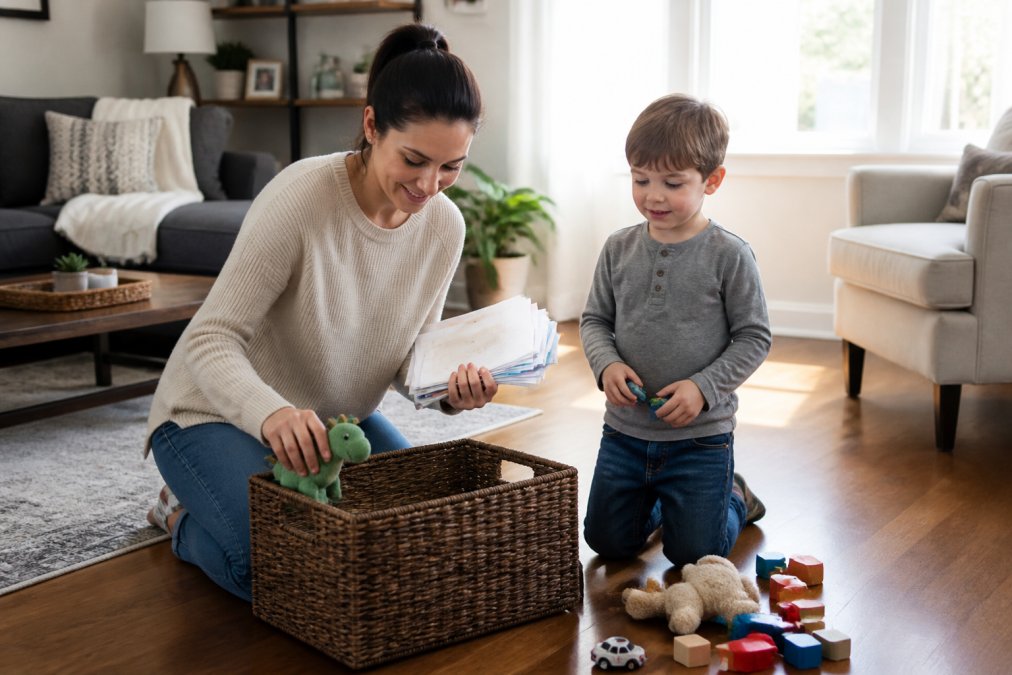
Decluttering before a cleaning service arrives means clearing floors, countertops, and surfaces of loose items so cleaners can reach every area without moving your personal belongings. Focus on the high-traffic zones first: kitchen counters, bathroom vanities, living room floors, and entryways.
A practical approach:
- Gather loose items into a laundry basket or storage bin and set it aside in a closet
- Clear kitchen countertops of dishes, mail, and small appliances you don't use daily
- Pick up clothing, toys, and pet items from floors
- Move small decor and fragile items to a safe, out-of-the-way spot
You don't need to put everything away perfectly. The point is reducing clutter so dusting, vacuuming, and sanitization happen efficiently. A common mistake is leaving dishes piled in the sink; a full sink limits what a cleaner can do in the kitchen and adds time to the visit.
Step 2: What to Do With Pets During House Cleaning
What to do with pets during house cleaning comes down to safety and access: secure dogs and cats in a quiet room, a crate or kennel, or arrange for them to be out of the home during the visit. Even the friendliest pet can become anxious around vacuums, mops, and unfamiliar people.
A few practical guidelines:
- Confine pets to a room the cleaners won't enter, with water and a familiar toy
- If your pet is anxious, schedule a walk or daycare during the cleaning window
- Let the service provider know about pets in advance, including any that shed heavily or are nervous around strangers
- Clean up pet debris, waste, and food bowls before the team arrives
Pet owners in our service area ask about shedding constantly. A pet-friendly cleaning approach handles dander and hair as part of routine maintenance cleaning, but it helps when pets are secured so cleaners can work without distraction.
Step 3: Secure Personal Belongings and Fragile Items
Physical valuables and heirlooms
- Move delicate decor, ceramics, and glassware to a cabinet or shelf cleaners won't need to touch.
- Point out anything irreplaceable so the team knows to work around it rather than dust under it.
- Store electronics and cables neatly to avoid tangling during dusting.
- For high-value or fragile pieces, decide in advance whether they stay in place (and get skipped) or get moved to a locked room. Don't leave that decision to the cleaner.
Digital and tech preparation (the step most guides miss)
- Security cameras and video doorbells: Decide whether they stay on or off during the visit. If they stay on, tell the cleaner in advance, being recorded without notice damages trust. If you turn them off, note that some cleaners carry their own body cameras or dashcams for liability, and that's normal.
- Smart speakers and displays: Mute or unplug voice assistants in rooms being cleaned. Accidental wake words during a clean are a common annoyance.
- Alarm systems: Share the disarm code and the re-arm procedure in writing, plus a backup contact if the panel locks out after failed attempts. Never rely on a verbal code passed at the door.
- Wi-Fi and smart locks: If your cleaner uses a smart lock or app-based entry, confirm the access window and revoke the temporary code after the visit if it was one-time.
- Computers and tablets: Lock screens, close sensitive documents, and put laptops away. A cleaner moving a laptop to dust a desk shouldn't have to wonder whether it's okay to touch it.
What to put in writing
Step 4: House Cleaning Etiquette: Communication and Expectations
House cleaning etiquette starts with clear communication. Tell your service provider what you want prioritized, what to skip, and how to access your home before the first visit, not during it. Vague expectations are the number one source of disappointment with a cleaning service.
Cover these points up front:
- Home access: how cleaners get in, whether that's a key, a lockbox, or an alarm code
- Priorities: which rooms matter most and any areas to leave alone
- Products: any allergies, sensitivities, or preferred cleaning supplies
- Pets and people: who will be home and how pets are managed
| What to communicate | Why it matters | When to share it |
|---|---|---|
| Home access details | Prevents delays and no-shows | Before the first visit |
| Room priorities | Directs effort where you want it | Before each deep clean |
| Product sensitivities | Protects health and finishes | Before the first visit |
| Pet handling | Keeps pets calm and safe | Every scheduled cleaning |
Step 5: How Long Does a Professional House Cleaning Take?
How long a professional house cleaning takes depends on the size of the home, its current condition, and whether it's routine maintenance cleaning or a deep clean. A standard visit for an average home typically runs a few hours, while a first-time or post-construction clean takes considerably longer because it covers built-up dust, debris, and detail work.
Factors that change the timeline:
- Square footage and number of bathrooms
- How cluttered or prepped the home is
- Whether it's recurring maintenance or a one-time deep clean
- Add-ons like inside appliances, baseboards, or windows
Step 6: Final Walkthrough and Post-Cleaning Inspection
The post-cleaning inspection checklist
- Kitchen: countertops, sink and faucet, stovetop, exterior of appliances, cabinet fronts, backsplash, floor edges.
- Bathrooms: toilet base and behind it, shower and tub surfaces, grout lines, mirrors, vanity, exhaust vent cover, floor corners.
- Living and bedrooms: under furniture edges, baseboards, ceiling fan blades, light switches and door handles, window sills, closet floors.
- Floors: corners, under rugs you left down, transitions between rooms, and any area you flagged as a priority.
- High-touch surfaces: remotes, handles, and switches, the spots that matter most for hygiene.
Documenting issues
Tipping and gratuity etiquette
- Recurring visits: a modest tip per visit, or a larger tip around the holidays, is the most common approach.
- One-time or deep cleans: a tip proportional to the effort is typical, handed directly to the team or added to the payment.
- Multiple cleaners: tips are usually split, so a single cash amount is fine.
Feedback that shapes future visits
Conclusion
Preparing for cleaners doesn't have to be a chore. Clear surfaces, secured pets and valuables, honest communication, and a quick walkthrough turn a stressful visit into a smooth one. That prep is exactly what lets a professional team deliver a spotless result without guesswork.
Frequently Asked Questions
Should I clean before the house cleaners come?
You don't need to deep clean, but a quick tidy helps. Put away personal items, clear surfaces, and do a light declutter. This allows cleaners to focus on actual cleaning rather than moving your belongings. It also reduces the risk of items being misplaced. A 10-minute pickup can make a noticeable difference in the final result.
What should I put away before a cleaning service arrives?
Prioritize valuables, fragile items, and personal clutter. Secure jewelry, important documents, and electronics. Clear countertops, floors, and tables of small objects. Put away toys, clothes, and dishes. This prep work not only protects your items but also helps cleaners work more efficiently. Use bins or drawers for quick storage.
Do I need to be home when the cleaners come?
It's not required. Many services, including Top Royal Cleaners, offer flexible access options. You can provide a key, alarm code, or lockbox. If you prefer to be home, that's fine too. Just communicate your preference in advance. Being away can be more efficient, but some clients like to do a walkthrough afterward.
How do I prepare my pets for a house cleaning visit?
Secure pets in a quiet room or crate away from cleaning areas. This prevents escapes, reduces stress, and keeps them safe from cleaning supplies. Leave their favorite toy or blanket. If your pet is anxious, consider a vet-approved calming aid. Inform your cleaner about pet habits and any areas to avoid.